
The Science of Luck: Why Some Players Keep Winning Against All Odds

luck and gambling - The Science of Luck: Why Some Players Keep Winning Against All Odds

Luck has fascinated gamblers, scientists, and philosophers for centuries. From ancient dice games to modern casino floors, people have tried to understand why fortune seems to favor a few while others endlessly chase it. Is luck truly random, or can it be influenced by mindset, behavior, or probability itself?

Researchers studying chance suggest that what we call “luck” might be more about perception and pattern recognition than pure randomness. This perspective can be seen in games like Delhi Satta King, where players often believe that certain numbers or timings are “lucky.” While the odds remain consistent, the human brain tends to find connections even in random outcomes, fueling the illusion of control.

Luck, Probability, and Human Behavior

Luck feels magical, but it can often be explained through simple math. Every game of chance, whether it’s roulette or lottery draws, follows a predictable statistical pattern. Yet, people often remember their wins more vividly than their losses. This cognitive bias makes them feel “luckier” than they actually are.

Psychologists have found that optimism plays a huge role in this perception. When people believe they are lucky, they tend to take more risks and engage more confidently in games or decisions. Ironically, this behavior can lead to real success, not because the odds change, but because confidence improves focus and persistence.

The Illusion of Control

One of the biggest psychological factors behind luck is the illusion of control. Gamblers often believe they can influence random outcomes through rituals, charms, or strategic timing. Tossing dice harder, choosing a “lucky” slot machine, or repeating certain habits can create a false sense of power over randomness. While such acts don’t actually alter probabilities, they can affect emotions and engagement, which makes the experience more personal and thrilling.

Studies on lottery players reveal an interesting pattern. People who choose their own numbers are more emotionally invested in the outcome than those who let a machine pick for them. Even though both have equal odds, self-chosen numbers give players a psychological advantage, an illusion that they’re somehow in sync with luck itself.

Can Luck Be Trained?

Surprisingly, some experts believe luck can be “trained.” British psychologist Richard Wiseman conducted a long-term study on self-proclaimed lucky and unlucky people. His findings suggested that lucky people tend to notice opportunities, act on their instincts, and maintain open-mindedness. In other words, luck might not come from the universe but from awareness and attitude.

  • Lucky individuals tend to create more social connections, which increase their chances of encountering good opportunities.
  • They trust their intuition, leading to faster and more confident decision-making.
  • They interpret events positively, seeing setbacks as temporary rather than permanent.

This means luck might not be supernatural after all. Instead, it could be a result of behavioral patterns that maximize one’s exposure to potential success. A person who’s alert, positive, and adaptable may seem “lucky” because they make the most of random opportunities. For a deeper look at how strategic thinking and persistence can turn uncertainty into opportunity, you can read From Setback to Success: A Casino Affiliate’s SEO Triumph.

When Probability Meets Persistence

Luck and probability often intersect in unexpected ways. A consistent player who understands the odds and practices patience can outperform someone who chases quick wins. The same principle applies to professional poker players who rely more on skill and psychology than mere luck. Over time, probability favors consistency.

Games like Sattaking often reveal this mix of persistence and randomness. Players who study patterns or time their entries believe they’re aligning with fortune, though they’re really aligning with probability cycles. The more one plays, the more the law of averages begins to balance wins and losses.

The Fine Line Between Luck and Logic

Luck and logic often dance together in the world of chance. Whether it’s flipping a coin or betting on a digital lottery, understanding probability helps manage expectations. Luck may give an edge, but math decides the outcome over time. That’s why professional gamblers, statisticians, and even financial traders study probability deeply, to replace superstition with strategy.

At the end of the day, luck is partly perception and partly probability. Whether it’s on the casino floor or in a game of Sattaking, what feels like a lucky streak may simply be the random alignment of favorable odds. Yet, belief in luck keeps the thrill alive. It fuels hope, ambition, and the timeless chase for that one perfect win. And maybe that’s what makes luck—real or imagined—so irresistible.
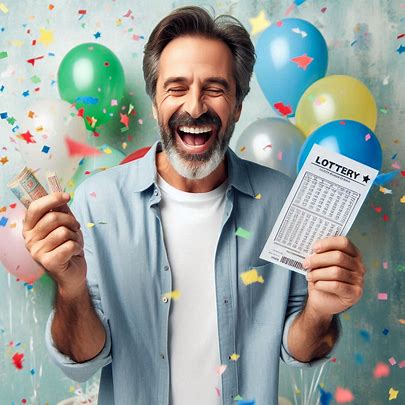
Mastering the Art of Sydney Lottery: Is Luck the Key to Winning Big?

lottery - Mastering the Art of Sydney Lottery: Is Luck the Key to Winning Big?

Winning the Sydney Lottery can seem like the ultimate stroke of luck; for many, it is. Thousands of people purchase lottery tickets weekly, hoping that the stars align and fortune smiles upon them. The odds might be slim, but the thrill of potentially winning life-changing sums of money keeps the dream alive for many.

The Allure of the Sydney Lottery

The Sydney Lottery is more than just a game; it’s a beacon of hope for many players. The idea that anyone can win big with just the right numbers is exhilarating. Every ticket can turn a regular day into an extraordinary one. However, while luck is undeniably a significant factor, understanding the game and using a few strategic tips can potentially increase your chances of hitting the jackpot.

For those interested in exploring their luck, check out Sydney Lottery (Togel Sydney) for more information and opportunities to participate.

The Role of Luck in Lottery Wins

Luck is the unpredictable element that makes the lottery so exciting. Every draw is a random event, and no one can predict the outcome with certainty. While some players rely on strategies, such as choosing numbers based on birthdays or using random number generators, the fact remains that winning is often a matter of being in the right place at the right time.

Many jackpot winners attribute their success to sheer luck. For instance, there are stories of individuals who purchased a ticket on a whim only to find themselves holding a winning combination. These tales of unexpected fortune fuel the belief that anyone can win, making the Sydney Lottery a game that thrives on hope and possibility.

READ ALSO: The Role of Luck in Gambling: Insights from Sule 66 Slot and Sule Slot 88

Tips for Increasing Your Chances

While luck is the main ingredient in winning the Sydney Lottery, there are a few tips that some players believe can improve their odds:

  • Consistency is Key: Regular players often increase their chances by consistently buying tickets for every draw. The more tickets you buy, the higher your chances of winning, though the increase is marginal.
  • Join a Syndicate: Pooling resources with a group of friends or coworkers can allow you to purchase more tickets. While the winnings are shared, winning is more likely when more tickets are in play.
  • Choose Less Popular Numbers: Some players avoid commonly picked numbers, like 1, 2, 3, 4, 5, 6, as they believe these combinations are less likely to be drawn. However, this is more of a superstition than a proven strategy.
  • Mix Your Numbers: Combining high and low numbers or selecting a mix of odd and even numbers is a strategy some use to ensure their selection is as random as possible.

There’s no guaranteed way to win the Sydney Lottery, but these tips might help you feel more involved in the game rather than just leaving it all to chance.

The Excitement of Playing

The thrill of playing the Sydney Lottery is undeniable. Each ticket represents a chance, however small, to transform your life. The anticipation of the draw, the dreams of what you would do with the winnings, and the community of fellow players all contribute to the excitement. The lottery isn’t just about the money—it’s about the hope and possibility it brings into the lives of everyday people.

Conclusion

While winning the Sydney Lottery might ultimately come down to luck, there’s more to the game than just chance. The stories of winners, the strategies employed by hopeful players, and the excitement of each draw make it a compelling experience. Whether you play regularly or just occasionally, the allure of the lottery is something that resonates with everyone who dreams of a better future.

Gambling, Playing with luck

luck gambling 300x200 - Gambling, Playing with luck

There is no end to gambling on the internet or on machines in arcades. It’s been a long time since you ran out of your money, and now it’s your family’s turn to reserve. They are betting on their home and garden.

How do I know if I am at risk of addiction?

There is a clear warning sign. For example, they bet more money than their budget allows and bet on their parents, partners, or children. They spend a lot of time in arcades, the internet, or sbobet casinos and hide their gambling. They play at night, tell stories the next day, and explain to their wives and employers why they are so tired. A vicious circle begins when they try to recover the lost money. It doesn’t work, it just connects them to the game more and more. Otherwise, there is little chance of success, and those seeking evacuation from gaming problems are at risk, especially in the long run.

How can I gamble responsibly?

Recognize two simple things. First of all, gambling costs money. The game entertains me and I am asked to pay for this entertainment. How much money can I safely spend for this purpose? Second: I can’t make money from gambling. A game of chance is not a skill game. It’s impossible by definition, just luck because they don’t need skills to win. I was away from slot machines because they are difficult. Commercial slot machines in all snack bars today are still one of the most addictive games of chance. We also do not recommend playing online. Gambling on the Internet is prohibited in Germany and customers cannot confirm the seriousness of the provider.

Why is gambling addictive?

Like other addictions, gambling activates the human reward system. When gambling, especially dopamine is released at high doses. This substance causes euphoria and kicks, intoxicating the player and leaving him with little control over himself. If he repeats this frequently, he is at risk of becoming psychologically dependent on this addiction. This is especially true for luck-dependent games where many things happen very quickly, such as slot machines. The games are so fast that they create a lot of excitement. There is a maximum of 5 seconds from betting money to winning or losing experience. And the faster this is, the more likely the player will lose the game than the one that almost won, and the more likely the machine will bind the gambler to itself. Gamblers are almost reflexive and inadvertently keep betting.

Conclusion

Gambling becomes a problem when someone gets used to the excitement and wants it more and more. For addicts, gambling ultimately serves as a means of escape and anesthesia to avoid social problems, conflicts, or the emptiness of everyday life.