
People often use the word “luck” when describing unexpected successes or failures. In gambling and other uncertain situations, the idea of luck can become especially powerful. Understanding randomness helps explain why people sometimes see patterns where none exist.
What Is Randomness?
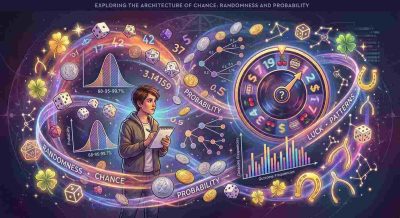 See below:
Independent Events
In an independent random system, previous outcomes do not necessarily control future outcomes. For example, if a fair coin is flipped repeatedly, previous results do not change the basic probability of the next flip.
Why Patterns Appear
Random sequences can naturally contain streaks and clusters. Humans are very good at identifying patterns, but not every apparent pattern has a meaningful cause.
Common Beliefs About Luck
Check these out:
The Gambler’s Fallacy
The gambler’s fallacy occurs when someone believes that a particular result is becoming more likely because it has not appeared recently.
This is a misunderstanding of independent probability.
The Illusion of Control
People may also connect personal rituals or actions with outcomes they cannot actually control. These beliefs can make random events feel more predictable than they really are.
Near-Misses and Emotional Reactions
Here are they:
Almost Winning
An outcome that feels close to success can produce a strong emotional response. Digital gambling research has examined features such as near-misses and other structural characteristics that may affect the experience of gambling products.
Conclusion
Luck is a familiar way of describing uncertain outcomes, but probability provides a more precise explanation of randomness. Recognizing independent events, cognitive biases, and misleading patterns can help people interpret chance more realistically.