


People often describe a series of successful outcomes as a lucky streak. In gambling, this belief can influence decisions, confidence, and expectations about what might happen next. Understanding the psychology behind streaks helps explain why random events sometimes appear more predictable than they really are.
How the Human Brain Finds Patterns
The human brain naturally searches for patterns. This ability helps people recognize faces, learn routines, and make sense of their surroundings. However, it can also lead people to identify meaningful connections between events that occur by chance.
For example, someone who wins several games in succession might conclude that they have entered a period of exceptional luck. Another person who experiences repeated losses may believe that a win must be approaching.
Neither conclusion is automatically justified. The correct interpretation depends on how the outcomes are generated and whether the events are independent.
Understanding the Gambler’s Fallacy
The gambler’s fallacy occurs when someone believes that a random outcome becomes more likely simply because it has not happened recently.
Imagine a fair coin landing on tails five times in a row. If each flip is independent, the probability of heads on the next flip remains 50 percent. The earlier results do not make heads overdue.
Some gambling activities involve independent random outcomes, while others include skill, changing conditions, or dependent events. Understanding the rules matters before drawing conclusions about probabilities.
Why Winning Streaks Feel Convincing
A winning streak can strengthen confidence and encourage people to continue taking risks. Wins may be remembered more vividly than ordinary losses, especially when they produce excitement or a financial reward.
People may also overlook unsuccessful predictions when reviewing their past decisions. Remembering only the apparent successes creates a misleading impression of accuracy.
Keeping an objective record of outcomes can help reveal this imbalance. However, even a detailed record of past results cannot guarantee future success in a random game.
Making More Rational Decisions
Recognizing cognitive biases does not require abandoning the enjoyment of games. It simply means separating feelings of confidence from evidence about actual probabilities.
Avoid increasing stakes because a win seems overdue or because a winning streak feels unstoppable. Set financial boundaries in advance, and never treat gambling as a dependable source of income.
If the urge to recover losses becomes difficult to control, taking a break and seeking appropriate support can help prevent further harm.
Conclusion
Winning streaks and unlucky periods can feel meaningful because humans naturally search for patterns. Probability provides a more reliable way to understand uncertainty than superstition or intuition alone. By recognizing cognitive biases and maintaining realistic expectations, people can make better-informed decisions about chance and avoid confusing temporary results with predictable success.
 See below:
 Players’ attitudes toward gambling can be affected by a positive mindset. Confidence and discipline brings about good decision making. This doesn’t alter luck, it improves overall behavior. This can lead to better regulated gambling behaviour.
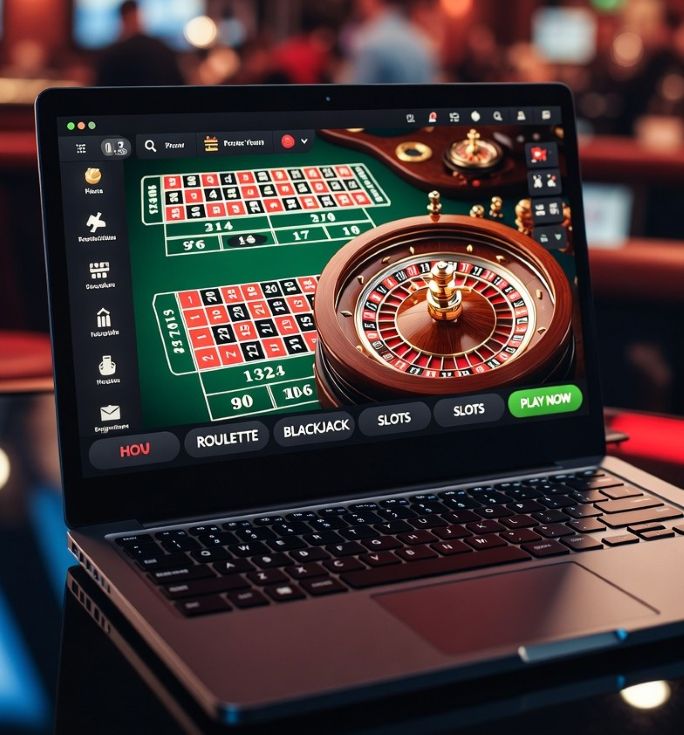


 The first reaction is pure joy. Dreams formerly believed unachievable are now possible. The alternatives are endless—quit your work, explore the world, or start a business.
 Over time, the house always comes out on top. No matter how good you are at a game, the house always has an advantage in a casino. The house edge refers to this inherent advantage that guarantees the casino will make a profit over time. This means that while skill can help you win some games more often than others, it is by no means a guarantee.


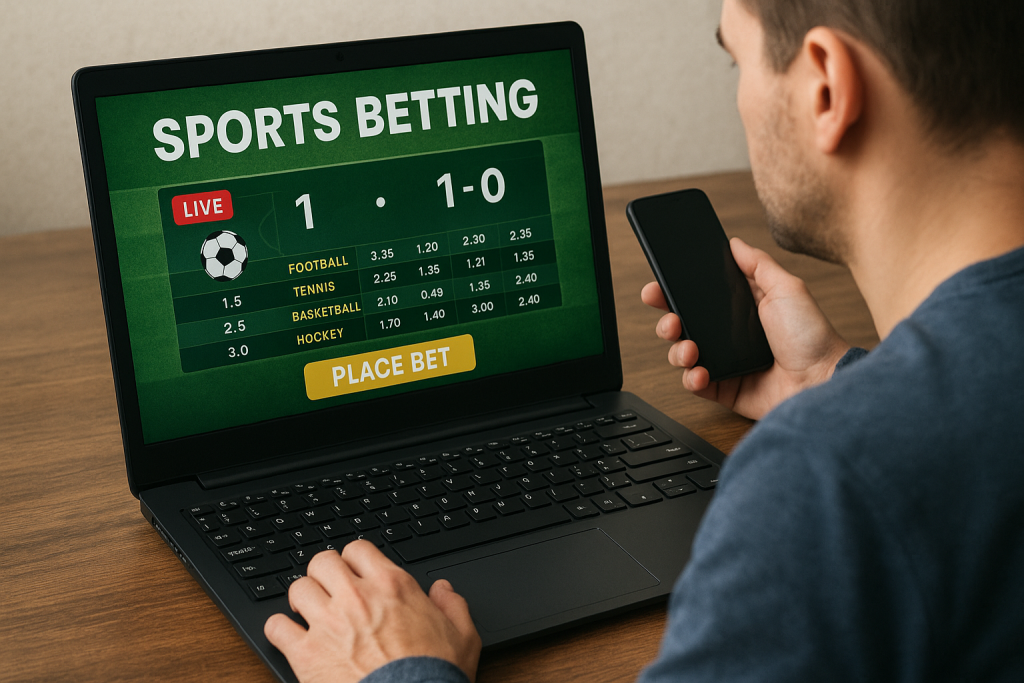
 Expanding into a new betting market is tempting. A fresh league, a new sport, or a different region can look like an easy upside. More volume. More opportunities, especially in areas adjacent to jackpot gaming. But expansion only makes sense when a few complex conditions are met. Without them, you’re not diversifying. You’re diluting what already works. This isn’t about chasing novelty. It’s about knowing when your edge can survive outside its original environment. Below are the signals that matter most.

 When a star player is ruled out, betting markets react fast. Headlines follow, social media panics, and the thrill of live plays often pushes bettors to act before thinking. Lines move sharply, sometimes within minutes. The assumption is simple: star out equals team worse. Sometimes that’s true. Often, it’s overstated. In reality, the impact of an absence is rarely about the missing star alone. It’s about who replaces them, how that player fits the system, and whether the market understands the difference. For bettors, this distinction matters more than almost anything else related to injuries.

 Luck fascinates people across cultures, but in Malaysia, it holds a special place in the hearts of online slot players. Many believe in “hot streaks,” those magical moments when wins seem to come effortlessly. This belief shapes how players approach games, often guiding their choices more than logic or strategy. But what drives this fascination with luck? The answer lies in a mix of psychology, cultural beliefs, and the mechanics of probability.

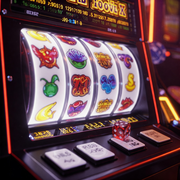 Unlike table games, such as poker and blackjack, that require skills and technique to increase odds, slot machines highly depend on chance. But, RNG tends to be unaffected even if some players follow betting habits or playing rituals. Hence, the unpredictability is what makes slot gaming an exciting one. This is the player’s belief for a potential big win over every spin.